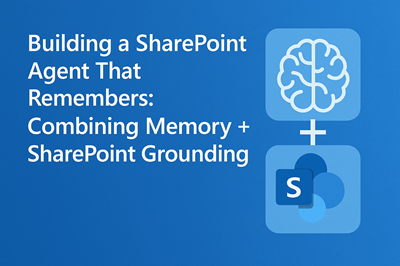
In Part 1, we built a Foundry agent with long-term memory that could remember user preferences, roles, and context across sessions without any custom embedding pipelines. If you haven’t read that post, start there. This one builds directly on top of that code. Memory alone is useful. It just doesn’t go very far on its own. Knowing a user prefers bullet-point summaries or works in finance is helpful context, but it doesn’t change what the…

If you’ve worked with AI agents in production, you’ve almost certainly run into this problem: a user tells your agent something important in one session, and the next time they come back, the agent has completely forgotten about it. The user has to repeat themselves. Context is lost. The experience feels disjointed. I ran into this exact issue on a project where users interacted with an enterprise agent multiple times a day. They’d establish context…
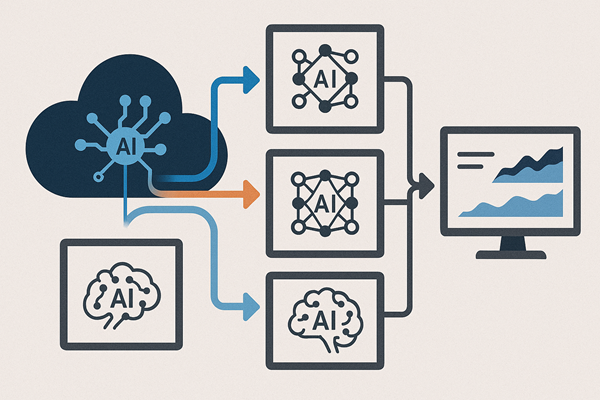
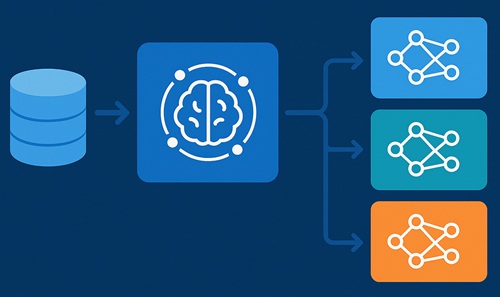
After three months running Model Router in production, I wanted to write up what actually works versus what the documentation promises. Part 1 covered the architecture and the decision framework. This post is the implementation: deployment, code, monitoring, and the edge cases that don’t show up until you hit them in production. Fair warning: this gets technical. I’m showing the .NET code we use, the telemetry that matters, and the gotchas that cost us a…
I’ve been working with Azure OpenAI for the past year at Advania, building a custom AI application for one of our enterprise clients. Users can create folders, organize their chats, ask anything from simple questions to complex analysis, and upload Word or Excel files for document analysis. We’ve wired it up to Azure AI Search, Azure AI Agents with code interpreter, Fabric for data access, and Bing grounding for web search. One pattern kept repeating:…
In Part 1, we explored the fundamental shift from manual SharePoint indexing to Azure AI Foundry’s SharePoint grounding tool. In Part 2, we built a complete, production-ready SharePoint agent system with multiple agent types. Now it’s time to tackle the most critical aspect of enterprise SharePoint AI agents: proper identity passthrough and delegated permissions. This is where many implementations fall short in real-world scenarios, and where the true power of Microsoft 365 Copilot API’s identity…